33 Sixth Street
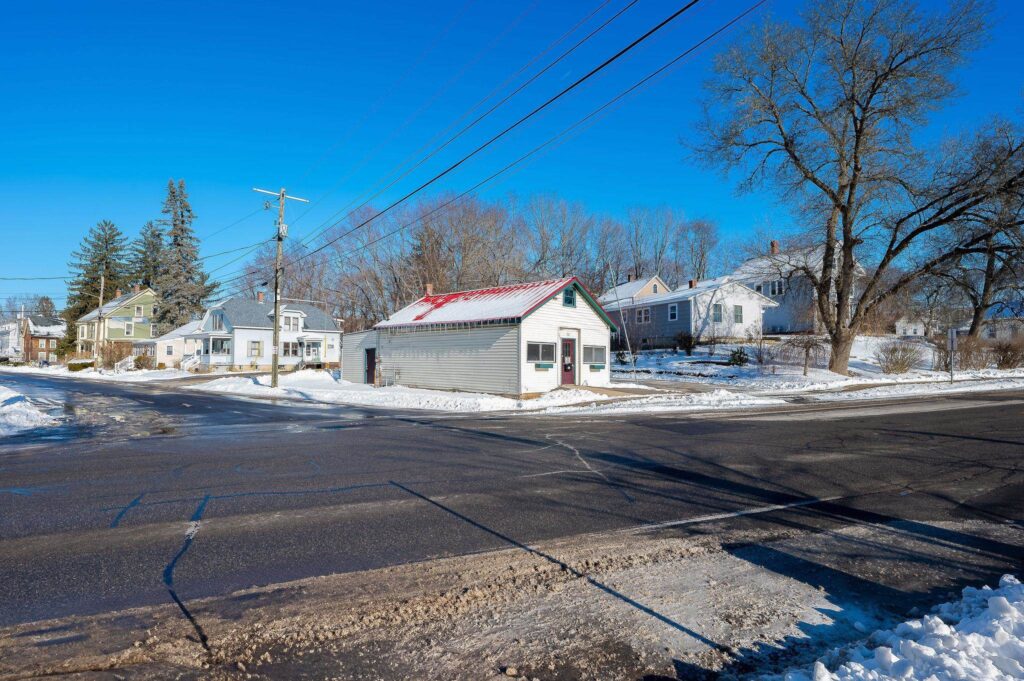
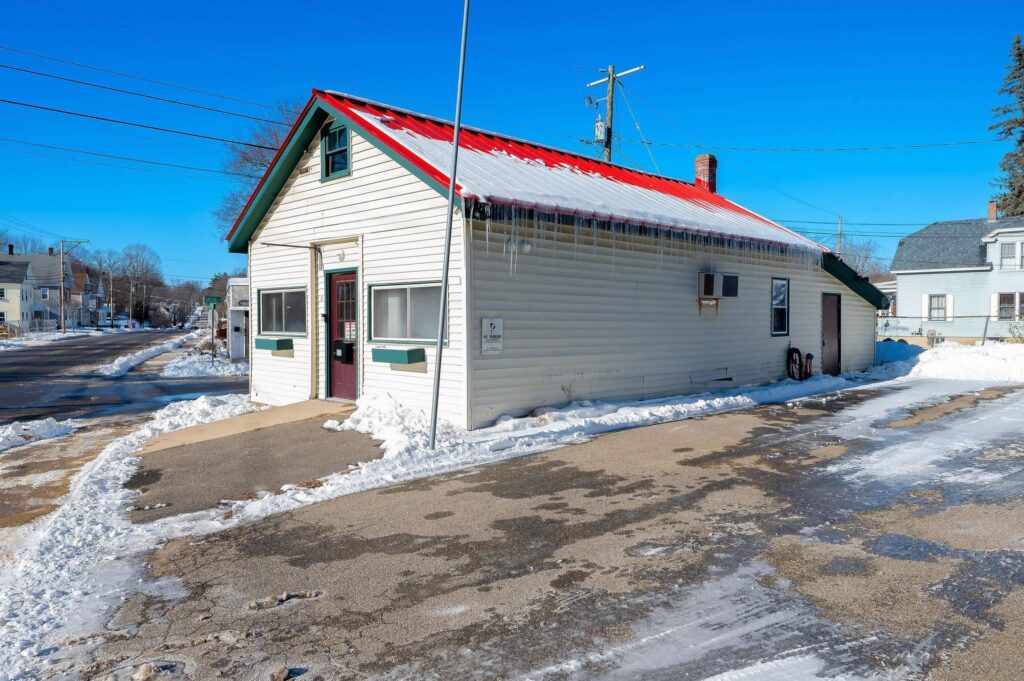
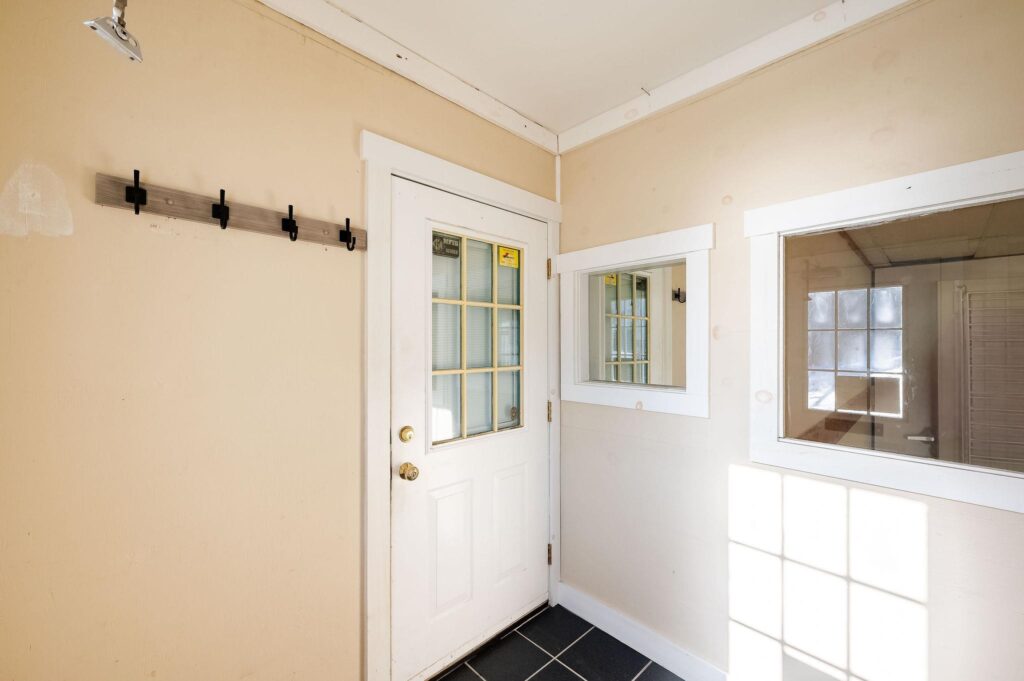
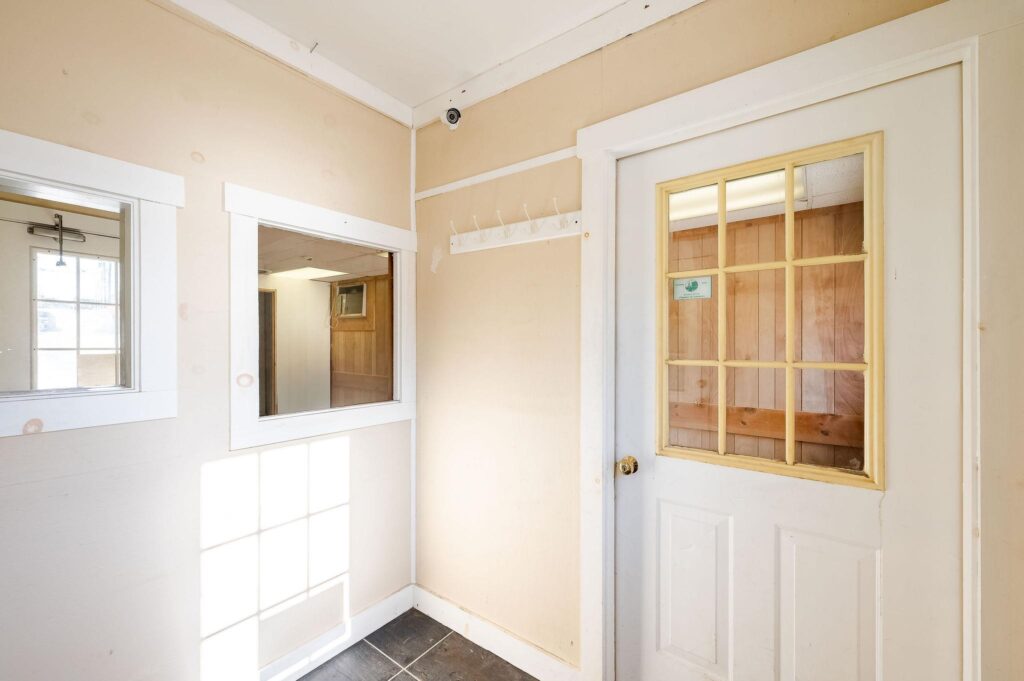
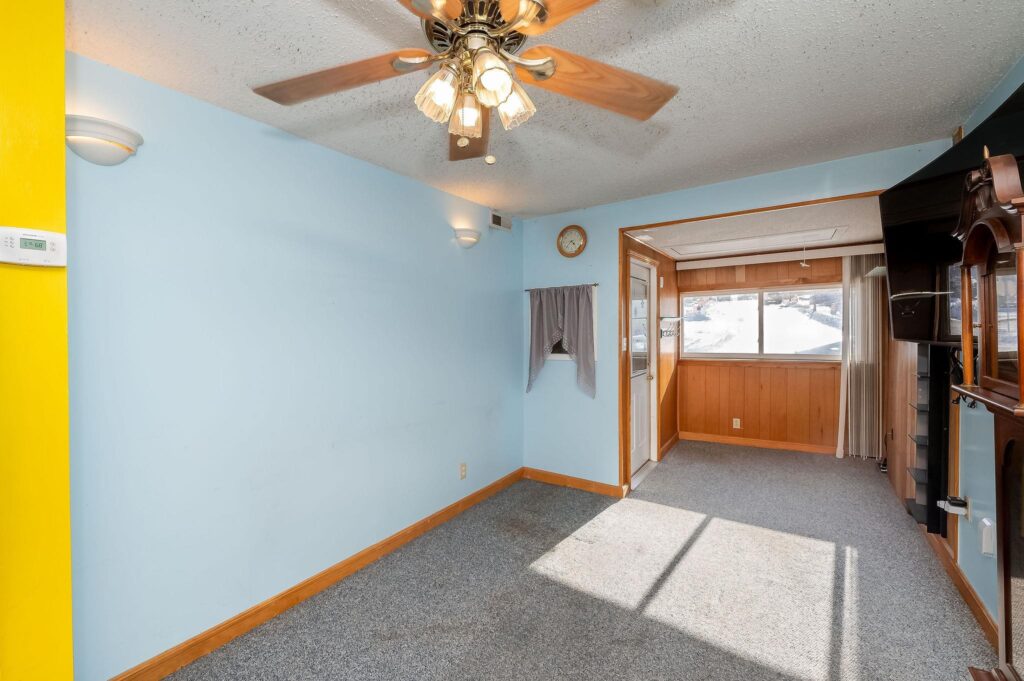
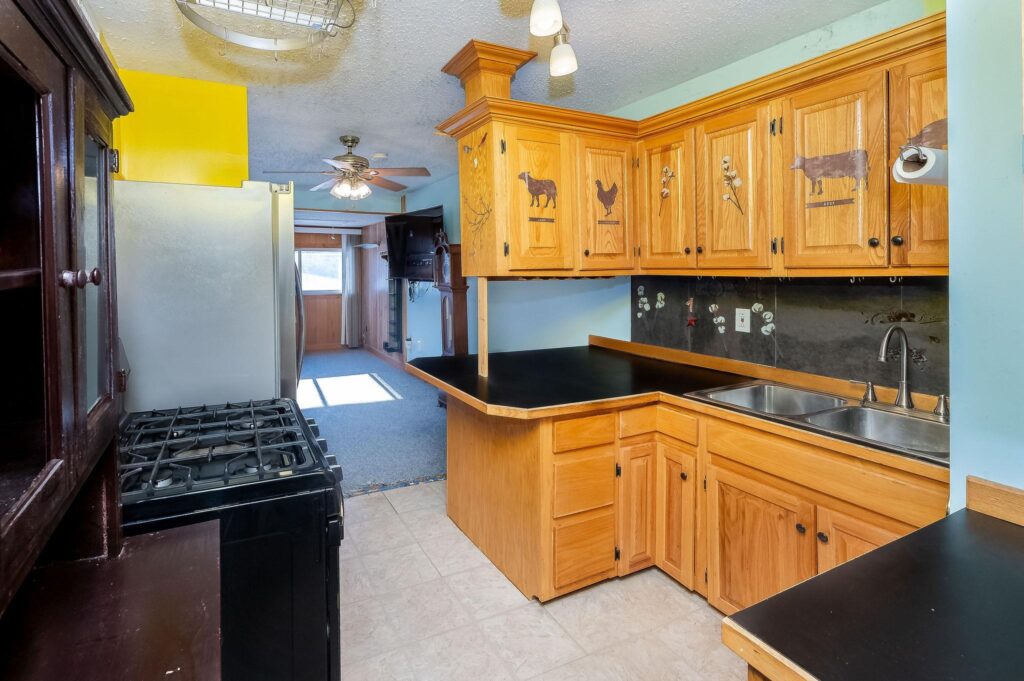
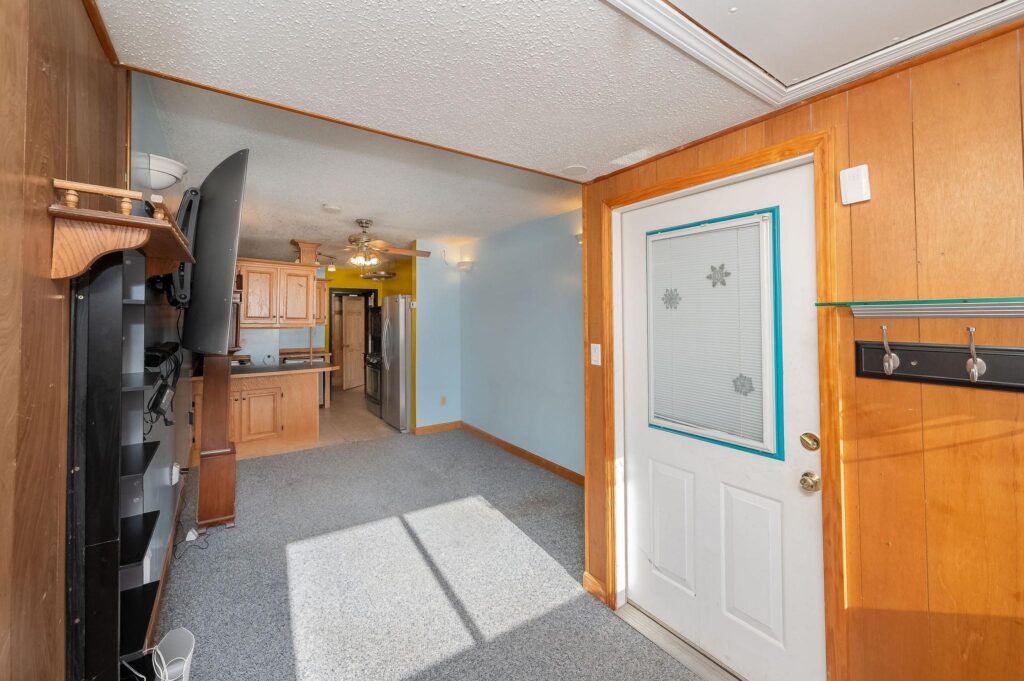
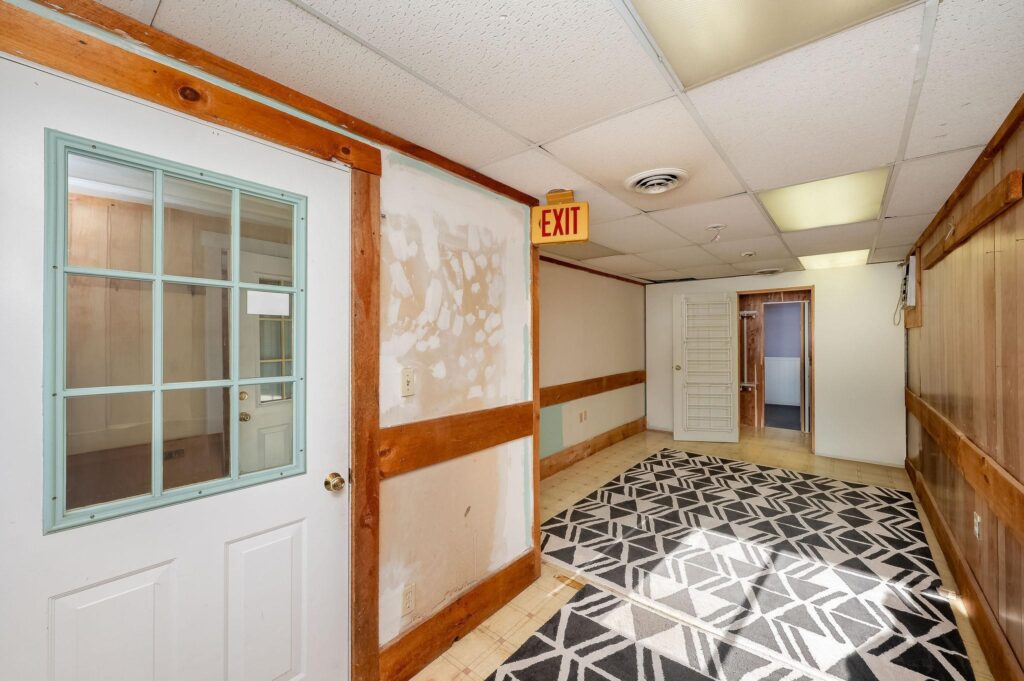
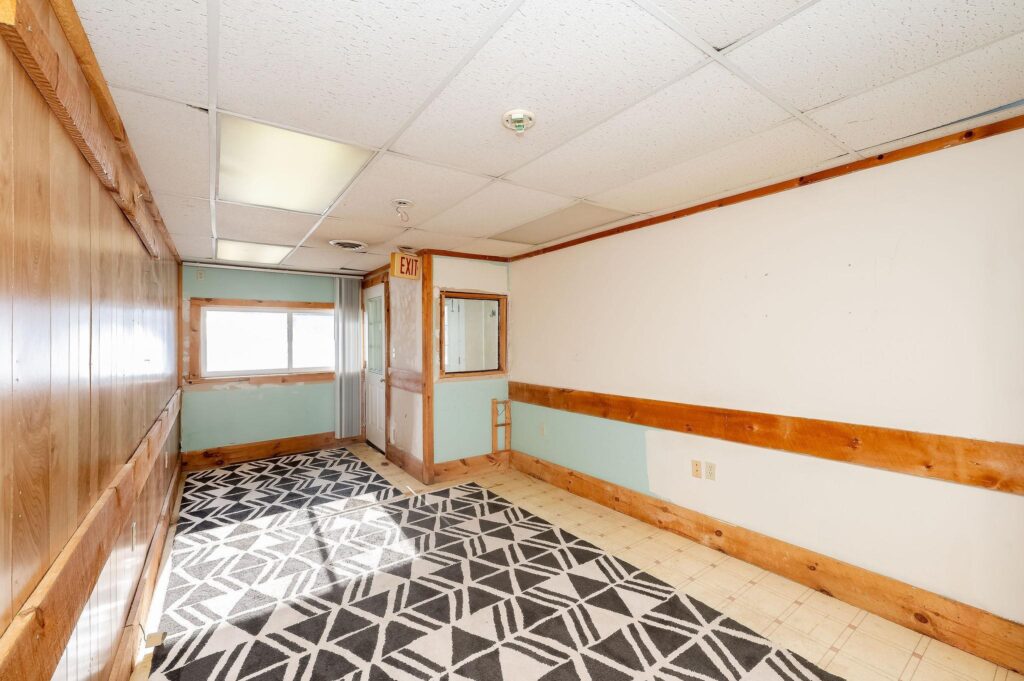
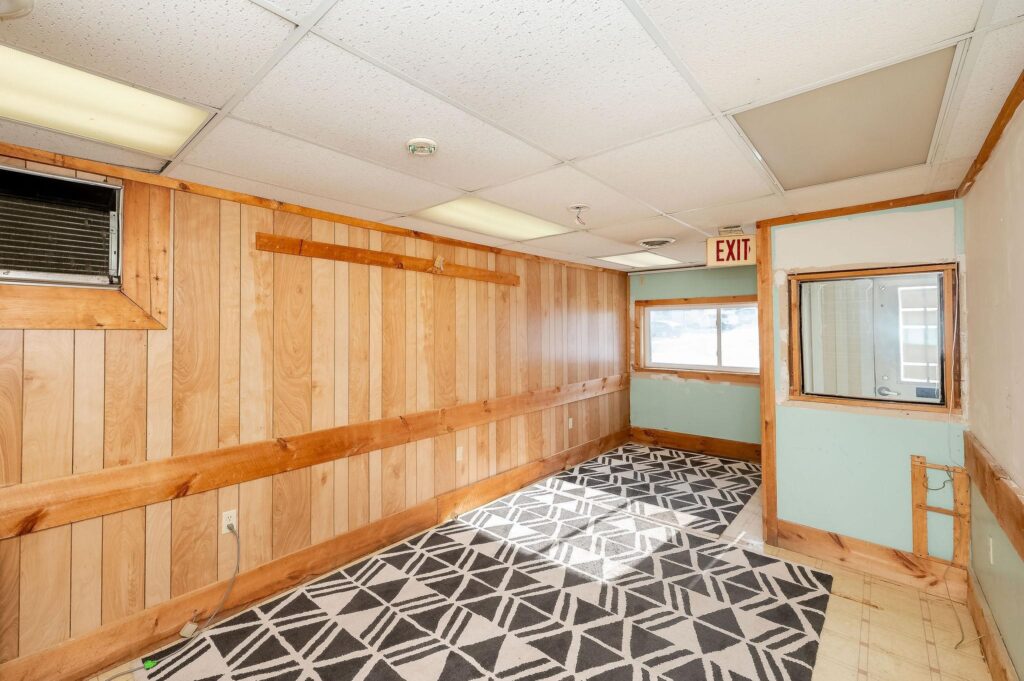
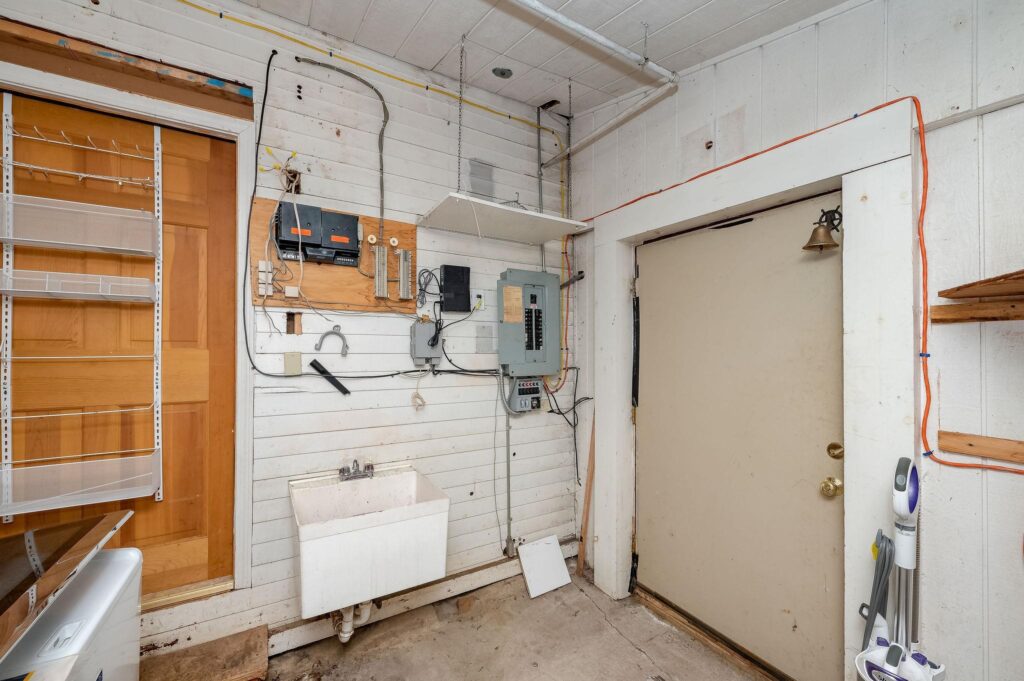
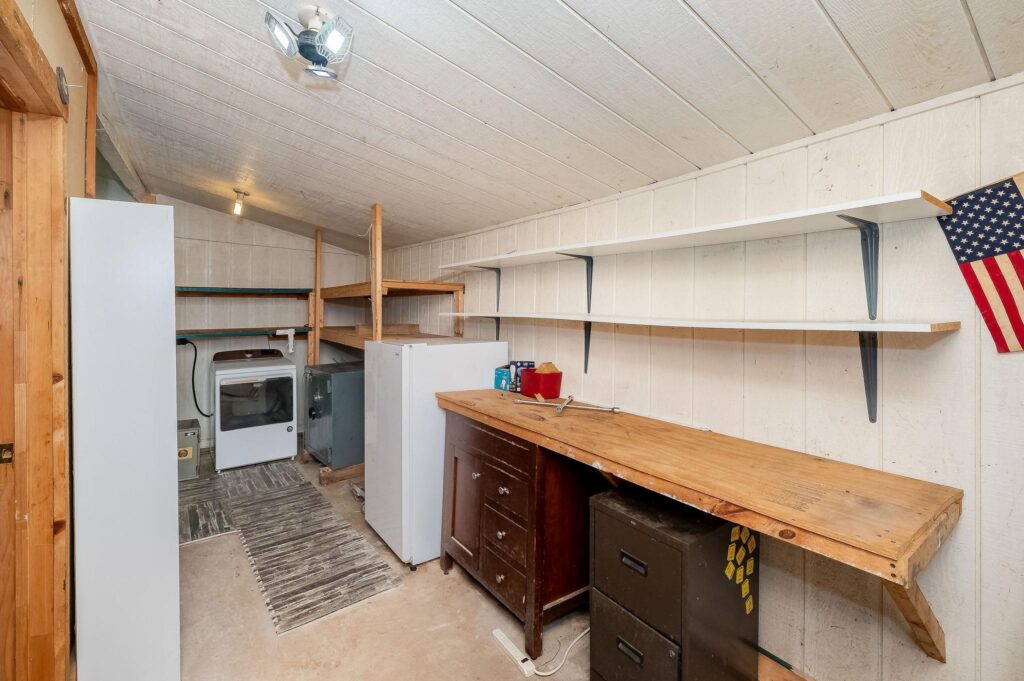
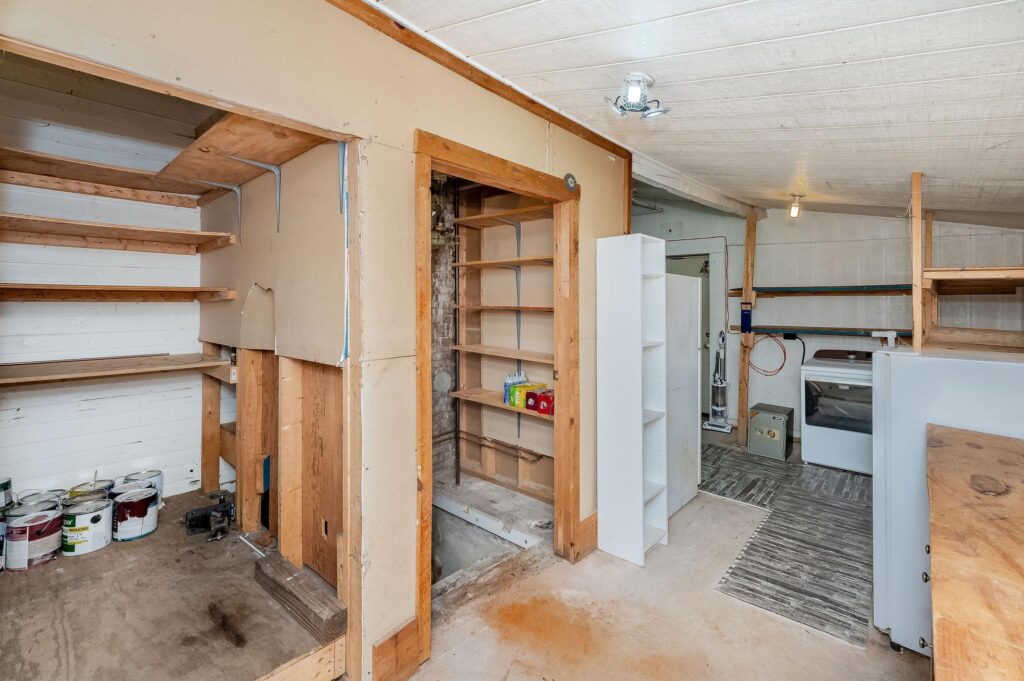
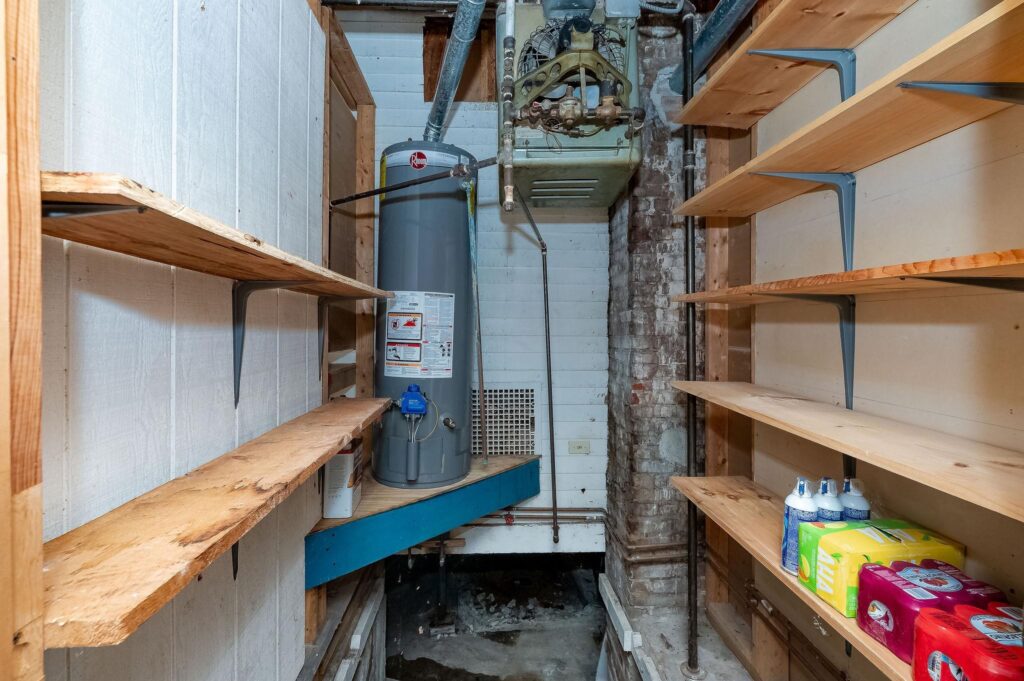
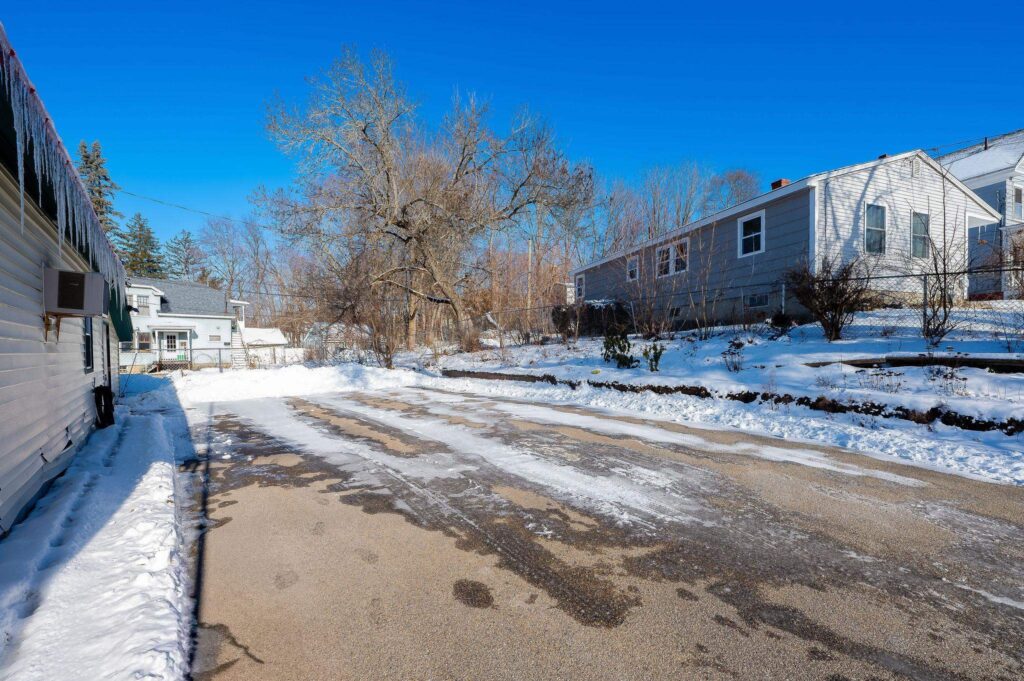
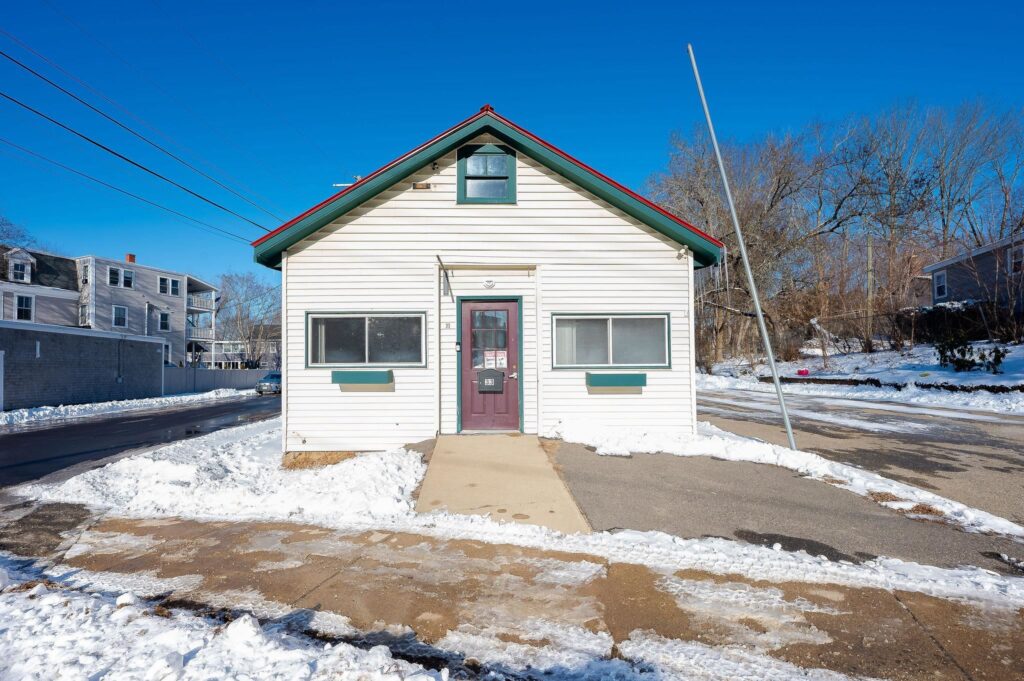
Listing Agent’s Remarks: Highly visible commercial corner lot with shop building and plenty of parking just 2 blocks from Central Avenue in vibrant and fast growing Dover. Central Business District-Mixed Use zoning (CBD-Mixed) allows a variety of uses including retail, professional services and office. Residential use is allowed on an upper floor. Lots of potential to grow your business here!
💼 Commercial Sale | Mixed Use | MLS #5027879
📍 Corner of Sixth Street & Grove Street – just two blocks from Central Ave
🧾 At a Glance
- Status: Active
- List Price: $285,000
- Date Listed: January 28, 2025
- Days on Market: 61
- Square Footage: 1,000 sq ft (Assessor Source)
- Lot Size: 0.09 acres
- Zoning: CBD – Mixed Use (Business District, Commercial Zoning)
- Year Built: 1940
- Road Frontage: 65 ft
- Annual Taxes (2024): $5,194.86
🏗️ Property Type
- Land
- Office
- Retail
- Opportunity
Submarket: Dover/Rochester/Somersworth
Project Building Name: N/A
Surveyed: Yes (by McEneaney Survey)
🧭 Location Advantages
- Prime corner lot in central Dover
- Two blocks from Central Avenue
- High visibility with dual street frontage
- Near public parking, transit, and major access roads
- Lot Features: In town, corner lot, level ground, sidewalks, near shopping, near hospital, close to public transportation
- Ideal for boutique retail, office, or live/work ownership
🔌 Systems & Utilities
- Heating: Forced Air (Natural Gas)
- Cooling: None listed, but system-ready
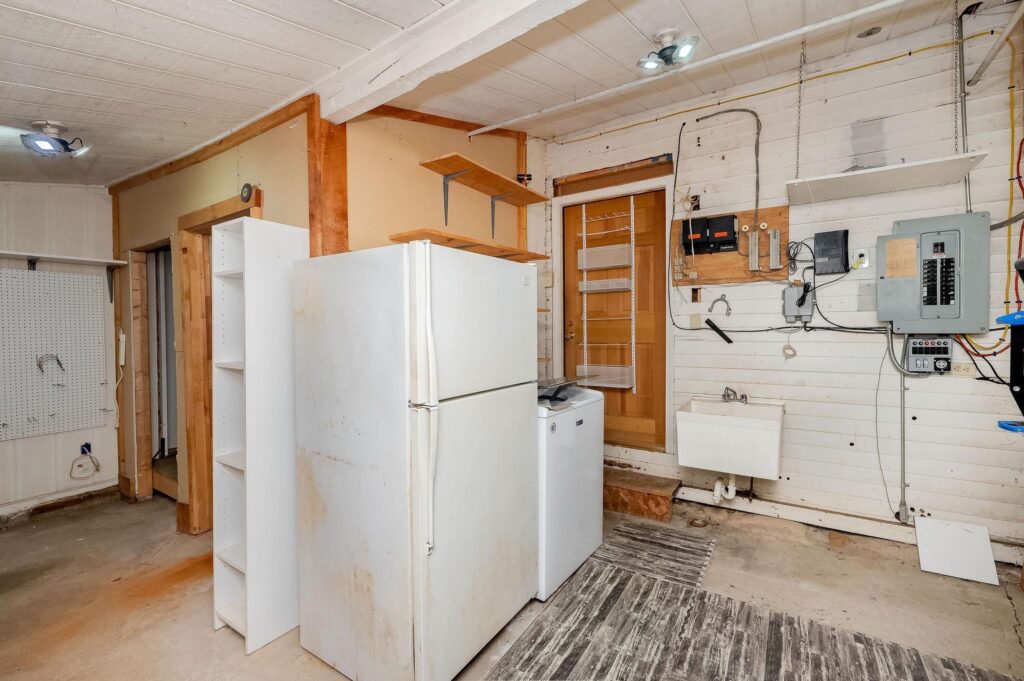
- Electric: 100 Amp, Circuit Breaker(s), Generator Ready
- Fuel: Natural Gas (Unitil)
- Water/Sewer: Public
- Utility Providers:
- Electric: Eversource
- Gas: Unitil
- Phone/Internet/Cable: Comcast/Xfinity
⚠️ Zoning & Usage Notes
- Zoning: Commercial Business District (CBD-MU)
- Zoning Requirement: Commercial use is required on the first floor
- For planning inquiries: City of Dover Planning Department – (603) 516-6008
🔍 Remarks
33 Sixth Street sits on a corner lot in downtown Dover’s CBD-Mixed Use zone, which means retail and office uses are allowed by right, and even apartments can be added upstairs (if an upper floor is built)
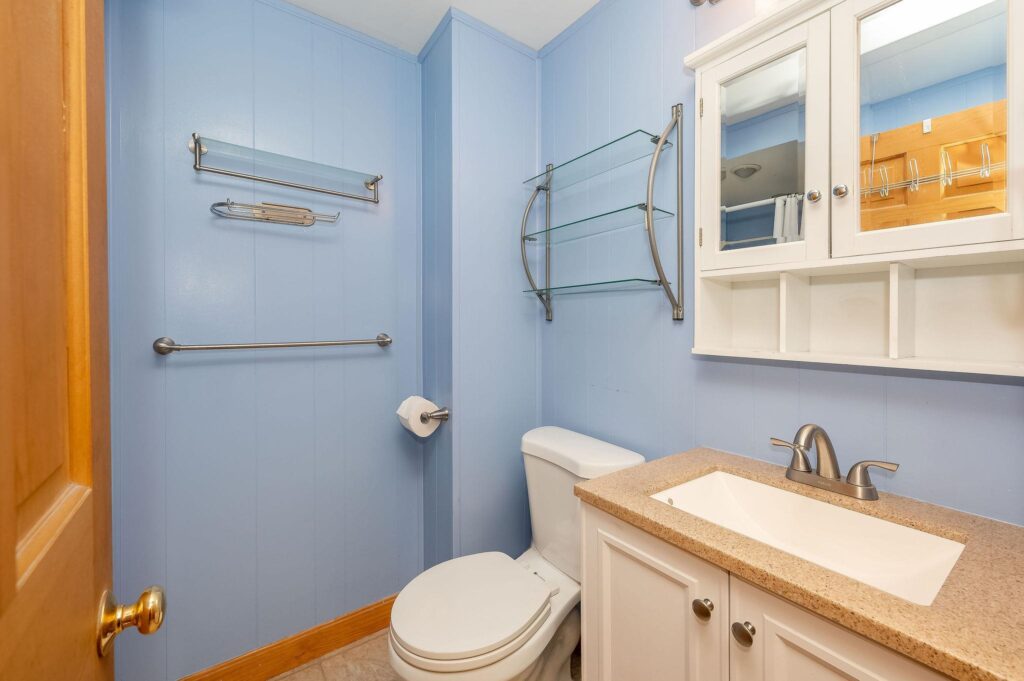
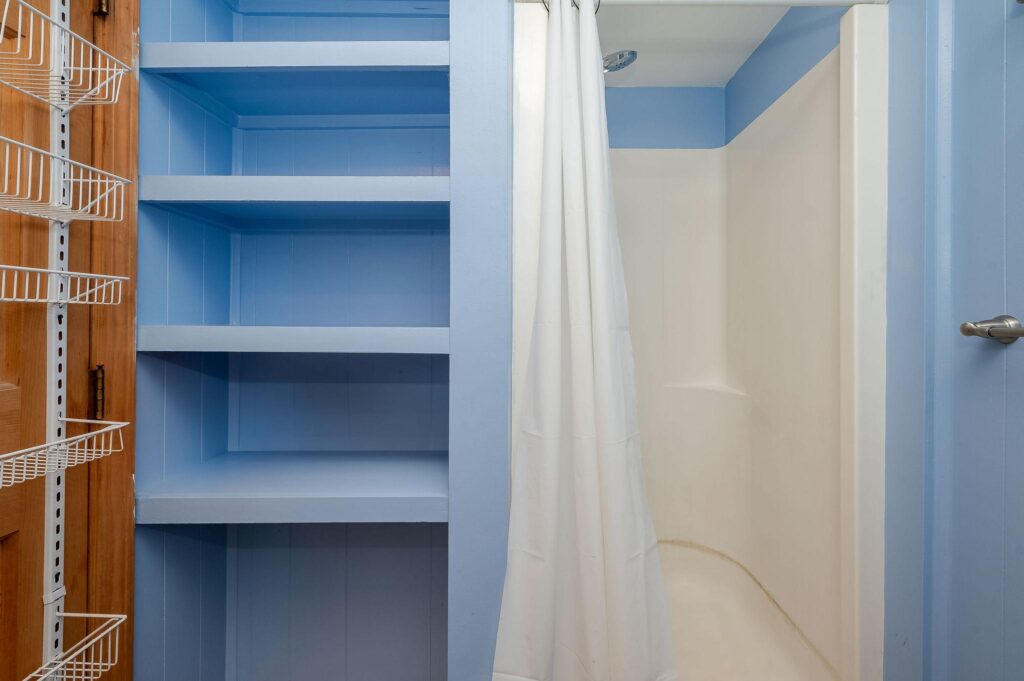
The building appears to have some residential-style features inside – including a full kitchen and at least one bathroom with shower. It does not have a true second floor (just an attic hatch for storage), so any residential use was likely informal on the ground floor. The space will need some renovation to function as a community print/retail hub – things like new flooring, fresh paint, updated lighting, possibly an ADA-compliant restroom and a wheelchair ramp. Fortunately, it has its own paved parking area (a rarity for downtown), and on a corner just two blocks off Central means decent visibility to car traffic (~7,000 vehicles/day pass nearby). Foot traffic is light at the moment (Walk Score ~13), but the location is very close to other destinations like Dover’s Natural Food Store, so it could draw more walk-ins with the right signage and programming.
Compared to Portland Ave, Sixth Street would offer greater street presence, more parking, and room for events – albeit at the cost of a mortgage and property taxes instead of rent. Overall, 33 Sixth Street appears to be a strategic upgrade that can increase The Printing Press’s visibility and space for community activities, without straying far from the existing customer base.
Building Levels: 33 Sixth Street is a single-story structure built in 1940. It does not have a full second floor – only an unfinished basement and likely an attic crawl space (there is an interior hatch visible in the ceiling, suggesting some attic storage). There is no evidence of a finished loft or upper-level living area in listing documentation or photos. Any future residential use would require adding another floor above, as the current zoning allows apartments only on upper floors. But, this might be something you consider instead of purchasing a condo or RV. Or, you could still purchase the RV and park it outside the new shop while you wait to build the second story.
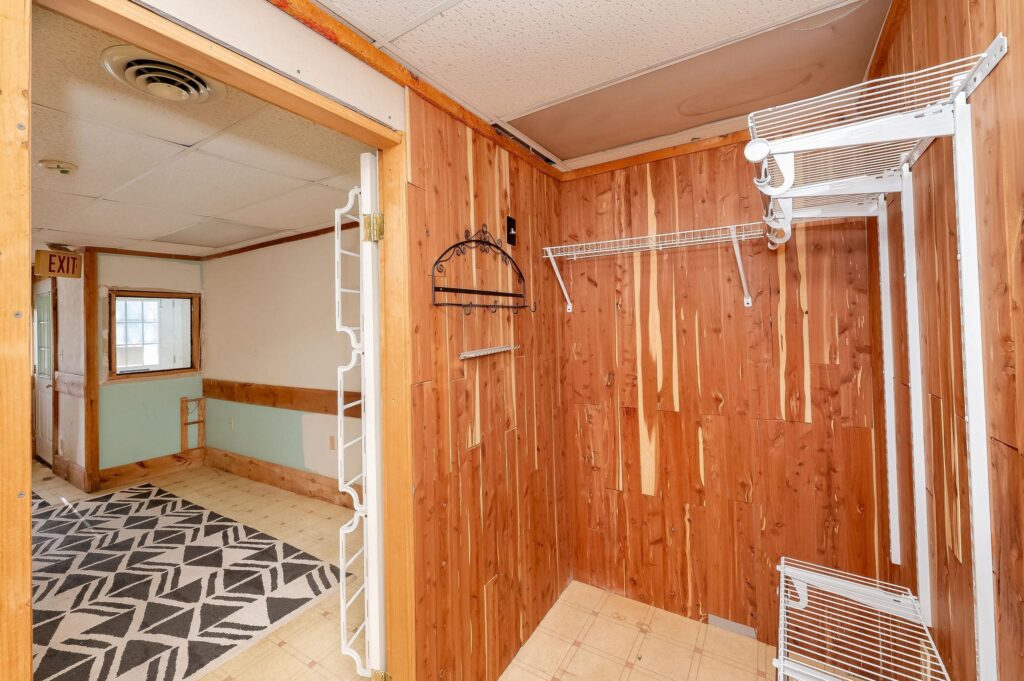
Laundry hookups were not evident in the listing, suggesting no washer/dryer currently installed. A cedar closet was not mentioned, but there is a small closet/storage space visible; its composition is unknown, although from the photos looks like it might be cedar(?).
The kitchen area spans the rear, and a door off the kitchen leads to the bathroom. Overall, the interior could be configured into a front retail/display area and a back workroom or lounge area, or kept open as one contiguous space. The City’s assessing tax card sketch (available via the Assessing Office) would give exact dimensions of each room and the building footprint – it’s advisable to obtain that for detailed space planning.
The full kitchen raises the possibility that an owner or employee spent extended hours or even lived on-site. City records do not show an official residential unit, so any live-in use was likely informal (e.g. an owner using it as a live/work studio without a specific apartment permit).
The Printing Press can take advantage of the existing interior partitioning – for instance, the front room can serve as the retail boutique and customer area, while the back kitchen could be repurposed as a production area or a small art/coffee nook. The presence of a kitchen and bath means basic plumbing is in place for a coffee/tea service or cleaning up after workshops. However, significant layout changes (like adding walls or expanding the bathroom for ADA compliance) may require building permits. Overall, the building’s residential-style elements are a bonus for comfort (staff could prepare snacks, etc.) and indicate the structure can physically support a live-work scenario if needed (with modifications), even if it’s not officially a two-story mixed-use yet.
No formal “Change of Use” approval by the Planning Board should be necessary because the category of use remains within the allowed uses for the zone. The scale is small, so it likely qualifies as reuse of an existing commercial building without triggering major site plan review. If you plan significant exterior modifications or expansion, or a substantial change in occupancy type (e.g. adding a café component with seating might technically introduce an “assembly” use), then a consultation with the Planning Department is wise. The Planning Dept can clarify if any minor site plan application is needed (for example, to ensure parking is adequate or to add signage). Generally, a straightforward retail-to-retail occupancy would just require building permits for any renovations.
Building Permits for Renovation: For the planned interior renovations and reconfiguration, you will need building permits through Dover’s Inspection Services (Building Department). Specifically:
- General Renovation Permit: for any construction (removing or adding walls, modifying the bathroom, etc.).
- Plumbing and Electrical Permits: if you are relocating plumbing fixtures (e.g. installing an upgraded sink or new toilet) or adding electrical outlets, lighting circuits, etc.
- Mechanical Permit: if updating HVAC (say adding central air or a new furnace).
These can be applied for online via the City’s permits portal (permits.dover.nh.gov) or in person. The Building Official, James Maxfield (603-516-6038, j.maxfield@dover.nh.gov), can provide guidance on code requirements. It’s smart to schedule a pre-application meeting or site walk-through before you purchase with the Building Department to identify any code compliance issues upfront.
Signage: Dover requires a sign permit for any new or replacement business sign. This is handled by the Planning Department’s zoning enforcement officer. You’ll need to submit a simple application with the design, dimensions, and location of the sign. In CBD zones, signs must conform to size and style guidelines (e.g. maximum square footage based on building frontage, and typically externally lit or indirectly lit – neon or digital might have restrictions). Expect to be allowed a building-mounted sign on the front and/or side. Because this is a corner lot, you might even be allowed signage on both street-facing facades. A small freestanding sign could be possible if there’s a suitable spot on the lot, but it would need to meet setbacks and sight line requirements. Given the small lot, wall signage or a hanging bracket sign is more likely. Sign permits are generally reviewed quickly.
Parking & Site: One advantage here is the property’s private parking area, which can accommodate “1 – 10” cars off-street on a paved driveway/lot. In the CBD, there is often no minimum parking requirement for small downtown lots (the idea being people use public parking). However, since this site has its own parking, you exceed any likely requirement for a 1,000 sq ft retail space. Just ensure accessible parking is considered – for example, you may want to designate at least one parking space as an ADA space with signage, especially if you improve the entry for accessibility.
- If you plan to re-stripe or expand paving, or make new curb cuts, you’d need a permit. A Driveway Permit was listed as a document available in a previous listing, indicating the curb cut and parking configuration had been formally approved in the past. No changes are needed there unless you do major regrading.
Permitting Timeline: Renovation permits are typically issued within a couple of weeks in Dover, once plans are submitted (and often faster for small jobs). It would be wise to call or email the Planning & Community Development office (603-516-6008) to discuss any zoning questions (contact Dave Carpenter, Community Development Planner, at d.carpenter@dover.nh.gov – he can advise on zoning and if any planning board review is needed. For building code and permit specifics, reach out to James Maxfield, Building Official (603-516-6038, j.maxfield@dover.nh.gov) who oversees renovation permitting.
Nearby Anchors & Destinations: While this block is quiet, there are some neighboring businesses/attractions within a few hundred feet that generate visits:
- Carswell’s Auto Parts – ~792 ft, a retail auto parts store on Chestnut.
- The Dover Parlor – ~100 feet away on Grove St – a retail shop or salon (it’s listed as a retail point of interest).
- 56 Vintage/Storage (Self Storage Center) – 264 feet away; not a traditional retail anchor, but it brings people moving items.
- Shylock’s Hair & Nails – ~634 ft (around the corner).
- Gold Rush (Jewelry/Pawn) – ~634 ft.
- Simply Clean Dry Cleaners & Dover Natural Marketplace – both ~686 ft (a block over on Central Ave). Dover Natural Marketplace is a popular organic grocery store/café on Central Ave that draws health-conscious shoppers. They have some very tasty vegetarian chili by the way.
- Dover Chamber of Commerce & Visitor Center – ~792 ft.
- Henry Law/Tammany Park – a small park ~800 ft away.
ALSO PLEASE NOTE, Carswell’s Auto Parts might be potentially for sale. But it’s been for sale for a very long time as well.
Build-Out Cost Estimates
Outfitting 33 Sixth Street as a boutique print shop and community art hub will involve a range of renovations. Below is a breakdown of expected build-out components and rough cost estimates for each. (These are ballpark figures for budgeting – actual quotes from contractors will be needed for accuracy.)
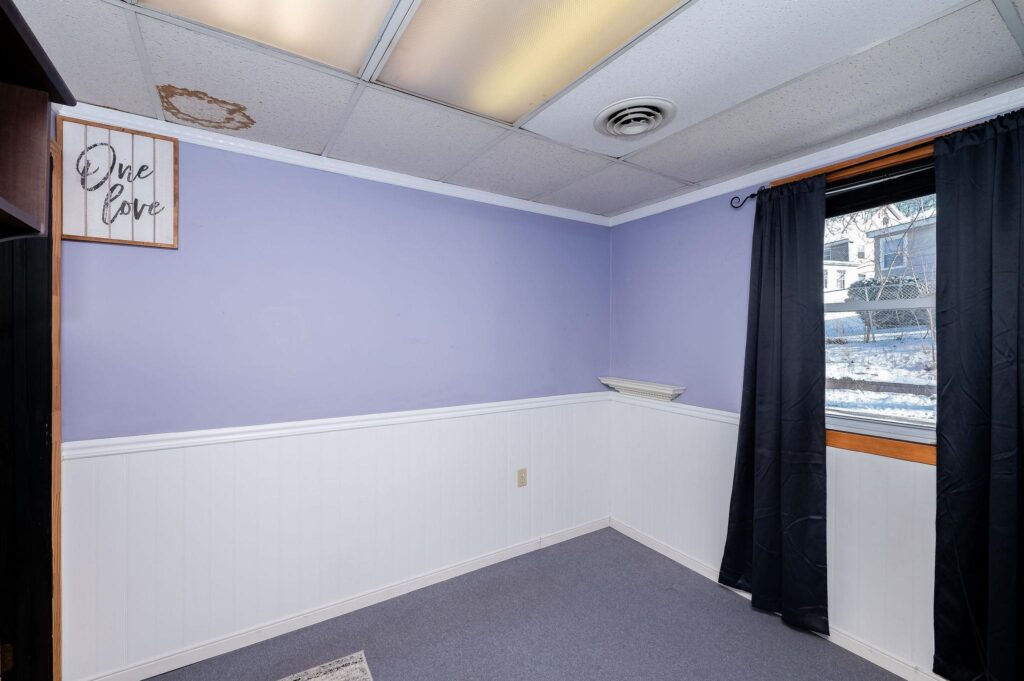
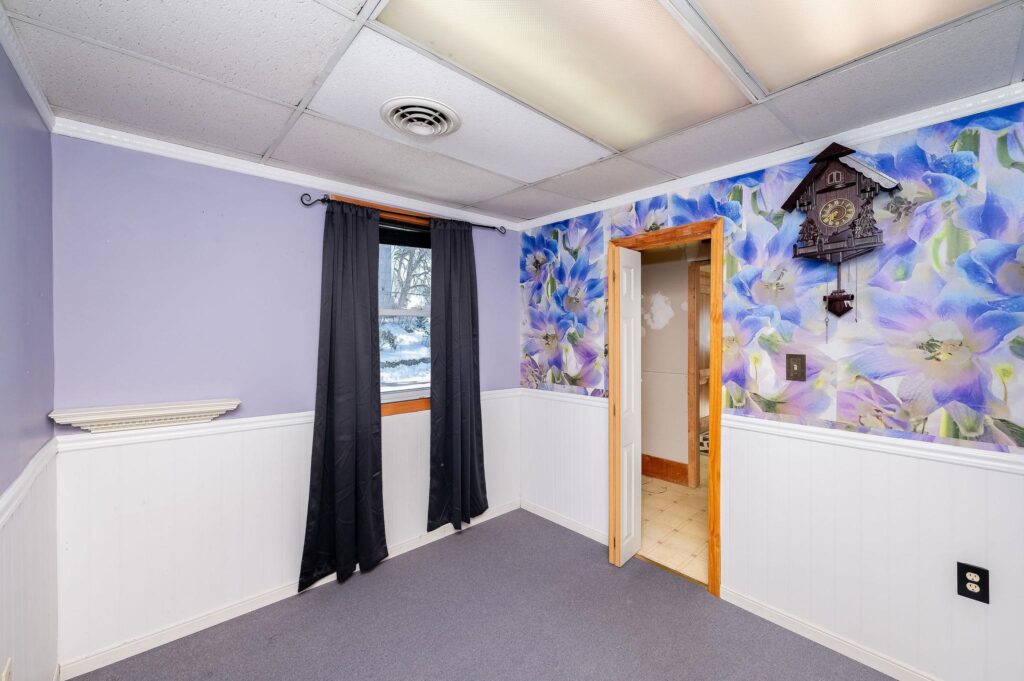
- Flooring: The building currently has a mix of carpeting (in the front rooms) and vinyl tile (in the kitchen). Assuming you’d want durable, easy-to-clean flooring for a retail/art space, you might install commercial vinyl plank or hardwood in public areas, and perhaps keep/replace tile in work areas. Estimated cost: ~$3–$5 per sq ft installed for mid-range vinyl plank or laminate. For ~1,000 sq ft, that’s $3,000–$5,000lumicre.com. (If you choose polished concrete by removing all floor coverings, costs could be similar after prep.) Budget on the higher end if using hardwood or if subfloor repairs are needed.
- Painting & Interior Finish: A fresh coat of paint will likely be needed throughout (walls, possibly ceiling). Cost: If DIY, just materials a few hundred dollars; if hiring painters, roughly $2–$4 per sq ft of wall space. Given the small size, painting the entire interior might be $2,000–$3,000. You might also allocate funds for patching drywall, updating trim, etc. (There is wood paneling in one room that you may opt to paint or replace with drywall for a more gallery-like feel.)
- Lighting: Currently there are basic ceiling lights and a ceiling fan light. For a boutique shop/art gallery vibe, you might install track lighting or modern LED fixtures to highlight merchandise and artwork. Cost: For a 1,000 sq ft space, perhaps 8–12 track light runs or fixtures – roughly $100–$300 each installed (including labor and wiring). Total $1,500–$3,000 for a lighting overhaul. If the existing electrical panel (100 Amp) suffices, you’ll just be adding circuits – minimal cost. If an upgrade to 200 Amp is needed (only if you plan heavy equipment), that could be ~$1,500 extra, but likely not necessary for just lights and computers.
- HVAC Improvements: The listing notes forced air heating (natural gas). We should verify if there is air conditioning. If not, summers may be warm – you might consider adding a central AC unit to the existing furnace (if it’s newer, a coil and condenser can often be added) or installing a mini-split AC/heat pump system for cooling. Cost: Adding central AC to an existing forced-air system can run about $4,000–$6,000 given the small size. A single-zone mini-split for 1,000 sq ft might be $3,000–$4,000 installed. Ventilation should also be checked (for any print fumes or just comfort with many people inside during events). At minimum, budget a few thousand for climate control upgrades if AC is desired.
- Bathroom Upgrades: To make the restroom customer-accessible and pleasant:
- ADA expansion: If you need to enlarge the bathroom door and reconfigure walls, carpentry and plumbing work could cost $2,000–$5,000. This would involve moving a wall, new drywall, etc.
- Fixtures: A new comfort-height toilet, sink, faucet, grab bars, mirror, etc. plus flooring (tile) – $1,500–$2,500 including labor.
- If adding a shower (not likely necessary for a retail space, but if you wanted to maintain the live-work potential), that’s an extra ~$1,500 for a prefab unit plus plumbing – but again, probably skipped for now.
- So, total bathroom remodel budget around $5,000–$8,000. If keeping layout but just freshening and ensuring ADA clearance, it could be on lower end; full rebuild on higher.
- ADA Ramp/Entry: If the front door has steps, a simple wood or aluminum ramp might be needed. Cost: a prefab aluminum ramp section with handrail (for ~1 step rise) might be $1,000–$1,500, or a custom wooden ramp/landing could be similar. Automatic door opener isn’t mandated for a small business (only if it were a larger public building), so likely not needed.
- Shelving & Displays: Outfitting the interior for retail:
- Built-in shelving or bookcases for displaying books, prints, art: could be a mix of IKEA-style units and custom builds. Perhaps $1,000–$3,000 for materials if doing it yourselves gradually. If hiring a carpenter for custom display cases, that could increase.
- Display tables, racks, and gallery hardware: budget another $1,000 for things like poster racks, print display stands, etc.
- Counter: a sales counter or reception desk might be needed – custom built for a few hundred in materials or a nice piece of furniture repurposed.
- In total, $2,000–$5,000 for interior furnishings and display setup is a reasonable range.
- Signage (Exterior):
- For a primary business sign, options range from a flat panel sign above the door to a hanging shingle on a bracket. A quality carved or painted sign of about 2’x4’ could cost $500–$1,000 to have made. Installation (by a handyman or sign company) maybe $200. Include sign lighting if desired (a couple of gooseneck lamps) ~$300.
- Window graphics: like vinyl lettering on the door or front window, are relatively cheap ($100–$200).
- So, $1,000–$1,500 for signage is a safe estimate.
- Don’t forget the sign permit fee itself is minor (often ~$50).
- Miscellaneous Build-out Costs:
- Painting exterior trim or siding: if you want to change the exterior look (e.g., fresh coat of paint on siding or adding an awning over the door). Painting the small exterior could be $1,000 if contracted. An awning might cost $2,000 installed if desired.
- Security system: Consider a basic alarm and maybe cameras (~$500–$1,000 for a DIY camera system).
- Technology: wiring for computers, printers, and a public Wi-Fi area. Likely minimal structural cost, just setting up your equipment. Ensure sufficient electrical outlets – electrician might charge $100 per new outlet added.
- Known Condition/Red Flag Items: We should account for any repairs needed per the property condition:
- The property disclosure (available via the listing) may note things like roof age, plumbing or electrical issues, etc. For instance, if the roof is older (red metal roofs typically last a long time if installed properly), there might not be immediate cost. If it needed sealing or paint, minor maintenance.
- Windows & insulation: Are the windows old single-pane? Replacing them could improve energy efficiency (cost ~$300 each installed). Not urgent unless they’re in disrepair.
- Code updates: Hard-wired smoke detectors might need interconnecting – an electrician can retrofit those for a few hundred dollars.
- Basement moisture or structure: A 1940 building might have some minor foundation cracks or dampness. If any water issues, budget for gutter improvements or a sump pump (~$1,000).
Based on the above, one might budget on the order of $20,000–$30,000 total for a comprehensive build-out (not including any large DIY savings or unexpected repairs). If the space is mostly cosmetics and minor tweaks, you could come in closer to $10–15k doing much of it in-house. But setting aside a larger budget provides flexibility to do it right and quickly.
Competitive Fit & Strategic Value
Square Footage & Layout: 33 Sixth Street offers ~1,000 sq ft, which is an increase in usable space. This extra room can be used to create distinct zones – e.g. a retail storefront, a separate workshop area, and maybe a small gallery/reading nook. At Portland Ave, presumably everything (customer service, printing equipment, storage) is crammed into one space. The new space’s more open layout and additional square footage would enhance capacity, allowing for:
- Workshops or events: You could host small art classes, book signings, or poetry readings in the front room after hours – something that might not be possible in the tighter current unit.
- Expanded inventory: More space for displaying local art, prints, books, etc., which can diversify revenue.
- Storage/production: The back area and basement provide room to keep supplies, inventory, and larger equipment tidily, whereas currently you might be constrained (perhaps having to use off-site storage or limit stock).
Visibility & Signage: 33 Sixth Street provides standalone street frontage. You can have a prominent sign directly on Sixth Street and make the building an eye-catching landmark. Every car that goes by will see The Printing Press sign (whereas at Portland, traffic on Portland Ave may not see the entrance. Being closer to the core of downtown (albeit by a couple of blocks) also means proximity to foot traffic generators – on Sixth St you’re near Central Ave and Chestnut St activity. On Portland Ave, you’re across the river in a more insular area (marina and some apartments). So in terms of visibility: Sixth Street is a major upgrade, transforming the business from a somewhat hidden gem to a noticeable destination. This should attract new customers who stumble upon it or see it while driving.
Cost: Rent vs Own: By moving to 33 Sixth and purchasing the property at ~$285,000, the trade-off is:
- Mortgage Payment: If financed with e.g. 20% down (~$57k) at ~6.5% interest over 20 years, the monthly principal+interest is around $1,700. Over 30 years it’d be about $1,450.
- Property Tax: Currently ~$5,195/year, which is about $433/month.
- Insurance: Commercial property insurance maybe ~$100–$150/month for a building of this size.
- Summing those, ownership might run ~$2,000/month give or take (depending on financing terms).
Events and Capacity: Currently, hosting events at Unit 9 Portland would be tough – limited space and presumably residential neighbors (noise considerations). At 33 Sixth, you own the building with no attached neighbors (nearest houses are a bit away on either side). This means you can hold evening poetry readings, book club meetings, small art shows or “First Friday” gatherings without disturbing someone upstairs or next door. The on-site parking and single-use building make it ideal for after-hours community events. This can greatly enhance The Printing Press’s role as a community hub, a goal that might have been constrained at the old site. Additionally, you can expand into things like outdoor events – for example, using the parking lot for a tented art sale or printmaking demo during summer (with city permission if needed). That would have been impossible at the prior location.
Cannibalization vs Expansion: Since you’re relocating (not opening a second location), “cannibalization” isn’t exactly the term – you’re moving the whole business and presumably closing the old spot. The question is whether the new location merely shifts your existing business or actually expands your market reach. Given the factors, it’s reasonable to expect an increase in customer base and sales. You’ll retain your loyal customers and attract new ones by virtue of location. The move places you in a more competitive position.
The Printing Press can carve a niche as a downtown creative hub. No existing customers should be lost; in fact, the improved convenience (parking, location) might increase frequency of their visits.
- Strategic Value of Ownership: Beyond the immediate operational aspects, owning 33 Sixth Street gives strategic advantages:
- Stability: You won’t have to worry about lease changes. You can tailor the space exactly to your needs (paint murals on the walls, renovate freely).
- Brand Image: Being in a standalone, character-filled building enhances your brand as a unique local establishment. It signals permanence and investment in the community, which can attract local support.
- Future expansion: There is some land (0.09 acre lot) – while small, you might have room to build a second-story addition in the future, effectively doubling space if The Printing Press grows into needing a co-working space or a rental art studio, etc. In contrast, the current rented unit has no expansion potential. Owning opens up those long-term possibilities (subject to planning approvals and construction cost, of course).
- Collateral/asset: The property itself is an asset on the business’s balance sheet and could be borrowed against for future expansion if needed.
Risks/Mitigations: One risk of moving could be the transition period – making sure customers know you moved and don’t go to the old address. But this is mitigated by thorough announcements, and even the Chamber of Commerce and Google listing can be updated promptly. Perhaps maintain a small sign at the old location for a short while redirecting any stragglers. Another consideration is foot traffic vs drive-by: at Sixth St, you’ll get more drive-by, while at Portland you might have had some captive audience from the adjacent apartments or marina foot traffic in summer. However, that local captive base is small compared to what you gain in downtown exposure. To tap the immediate neighborhood around Sixth & Grove, consider hosting a “Neighborhood Open House” after opening – invite the folks on Grove, Atkinson, Chestnut, etc., to walk over and see the shop. Turning local residents into regulars (even if just for notary services or printing needs) will embed you in the community.
Comparison Snapshot: (for quick reference)
| Feature/Factor | 44 Portland Ave, Unit 9 (Current) | 33 Sixth Street (Proposed) |
|---|---|---|
| Square Footage (approx) | ~700–800 sq ft (est.) – one main room | 1,000 sq ft – multiple rooms + basement |
| Layout | Single unit in multi-use building; likely one open space (perhaps subdivided by furniture) | Standalone building; vestibule, main room, kitchen, bath – flexibility to configure distinct areas |
| Zoning Use | Zoned for mixed use (assuming allowed) – already being used for print shop (legal non-residential use in that unit) | CBD-Mixed Use – explicitly allows retail/service. No zoning change needed. Could add residential above in future. |
| Visibility | Low from street – in complex, limited signage, not on main road | High – standalone on corner of two streets, two facades for signage, 7k cars/day pass by |
| Foot Traffic | Low – location across river, not on main foot routes; mainly destination visits | Moderate – 2 blocks from core downtown, can attract some foot traffic from Central Ave area, and event-based walking |
| Drive Accessibility | Fair – on a moderately traveled road (Portland Ave) but not a retail strip; across river from most commerce | Good – on a moderately traveled road (Sixth St) that’s part of downtown network; closer to business district |
| Parking | Customers have to feed a meter. | Private paved lot (5-8 cars) + ample adjacent street parking; easy in/out for customers |
| Neighboring Uses | Other businesses (construction co., etc.) and residential units; a marina across street, and some apartments – some synergy but not much retail synergy | Mix of small businesses and residences nearby; short walk to stores, cafes, parks; part of downtown business community fabric |
| Rental/Ownership | Leased – monthly rent (approx $800–$1000); no asset ownership | Owned – mortgage + taxes (~$2,000/mo); building becomes an asset; full control of space |
| Ability to Expand | Constrained – can’t easily enlarge unit; must rent additional space if needed | Expandable – could potentially build upward or optimize basement; parking lot could host outdoor events |
| Event Hosting | Limited – space and perhaps lease restrictions would limit gatherings or after-hours events; neighbors close by | Enhanced – can host small events, workshops; no adjacent tenant constraints; parking for attendees; can use space creatively (even off-hours) |
| Customer Base Impact | Existing loyal customers know this spot (though new ones have to find it); somewhat out-of-sight for tourists or newcomers | Existing customers will follow (short move); plus new discovery by downtown shoppers and those who notice the new store; closer to tourist foot traffic (Chamber, etc.) |
| Brand/Image | “Hidden gem”, cozy but possibly seen as home-business-like due to location in apt building; less foot traffic = less buzz | “Downtown boutique”, increased legitimacy as a fixture in the community; more foot traffic = more buzz and word-of-mouth; building itself becomes part of brand identity (charming corner shop) |
Overall, 33 Sixth Street provides a strategic upgrade on nearly every front except increased monthly cost, which is justified by the growth potential. It positions The Printing Press in the heart of Dover’s growing, vibrant downtown scene, whereas 44 Portland, while serviceable, kept it on the fringe. The move should expand the customer base, enhance the business’s visibility and community role, and provide long-term security. Far from cannibalizing the existing business, this relocation should energize it, turning a small print shop into a destination hub for local art and literary community.